Ilha do Mel, located on the coast of Paraná, Brazil, is one of the most representative natural areas along the southern Brazilian coast and forms part of a landscape of major ecological, historical and cultural importance. Covered by ecosystems associated with the Atlantic Forest, the island includes restingas, mangroves, coastal wetlands, forests, beaches and rocky shores that support a rich diversity of plants, birds, mammals, insects and other organisms.
Approximately 93% of its territory is protected by conservation units, including the Ilha do Mel Ecological Station and the Ilha do Mel State Park. This protected landscape helps conserve important remnants of the Atlantic Forest along the Paraná coast and the ecological processes on which native pollinators also depend.
The relationship between Ilha do Mel and the meaning of its name has been associated with different historical and popular interpretations. Among the explanations recorded over time are references to the collection of wild honey and activities related to beekeeping. However, there is no single historically proven explanation for the origin of the name “Ilha do Mel” — “Honey Island”.
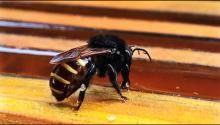
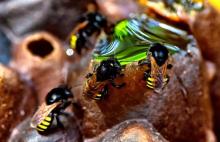
For the Ilha do Mel Nativo project, the name also carries a contemporary environmental meaning. It represents the connection between the coastal landscape of Paraná, Brazilian native stingless bees, pollination, biodiversity conservation and the protection of the natural environments of the Atlantic Forest.
This environmental connection also extends to Pontal do Sul, in Pontal do Paraná, one of the main departure points for Ilha do Mel and the place where the Ilha do Mel Nativo project was created. Pontal do Sul and Ilha do Mel are part of the same coastal landscape, connected by the sea, ecosystems, wildlife, vegetation and the movement of species throughout the region.
In Pontal do Sul, this environmental identity is also represented by Tartaruga de Pontal , a local environmental and cultural symbol associated with the coast, the sea and environmental awareness in the region. The turtle also forms part of the visual and conceptual inspiration behind Ilha do Mel Nativo, connecting marine conservation with the protection of pollinators and terrestrial biodiversity.
Native stingless bees, native plants, forests, restingas, mangroves, marine environments and coastal species are all part of the same ecological system. Protecting Atlantic Forest pollinators contributes to plant reproduction, the maintenance of plant diversity, food availability for other species and the resilience of natural ecosystems.
Within this context, Ilha do Mel Nativo develops its work in Pontal do Sul and the Ilha do Mel region, connecting native bee conservation, environmental education, citizen science, pollination knowledge and the appreciation of the coastal biodiversity of Paraná.
Learn more: Tartaruga de Pontal — nature, identity and environmental heritage in Pontal do Sul.